
Funding built around the trade
Fund the job before the first draw arrives.
Every project has startup costs: mobilization, permits, materials, equipment, and early labor. These costs hit before the first draw or payment, creating a gap that financing can bridge.
Where capital can help
Capital should follow the work.
Every project has startup costs: mobilization, permits, materials, equipment, and early labor. These costs hit before the first draw or payment, creating a gap that financing can bridge.
Mobilization costs
Equipment, setup, permits, and mobilization must be paid before a single draw arrives.
Material deposits
Suppliers require deposits or full payment before delivering materials to the job site.
Early labor costs
Crew and subcontractor costs begin immediately even when the first draw is weeks away.
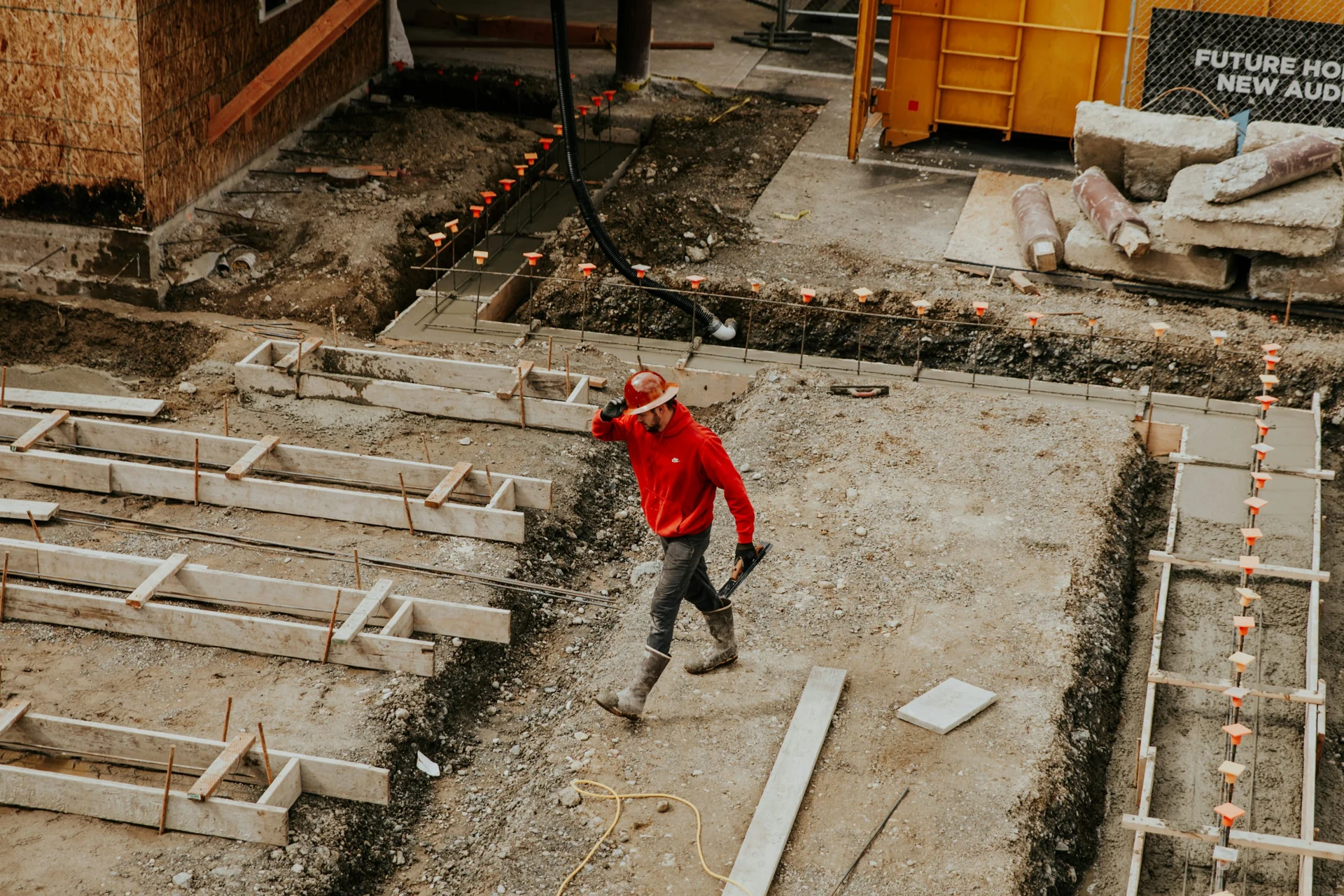 Capital should follow the work.
Who this helps—and when funding is not the fix.
The strongest request connects the cost, the job or operating need, and the source of repayment. Capital should bridge a timing gap or add productive capacity, not cover a broken margin.
Often a strong fit
- List mobilization, permit, material, and labor costs
- Show the contract, project budget, and payment schedule
- Compare contract-backed, revolving, and short-term working-capital paths
- Match the payment structure to the project cash cycle
Usually not the first move
- An undefined use or repayment plan
- New payment obligations the business cannot reasonably support
Start with an Axon advisor to compare the job, the timing, and the structure rather than guessing at a product.
What strengthens the file
Bring the numbers behind the work.
Awarded contract, scope, or other documentation of the project. Detailed startup budget for materials, permits, labor, and mobilization. Project schedule and expected invoice or draw timing. Business revenue, operating history, and current obligations
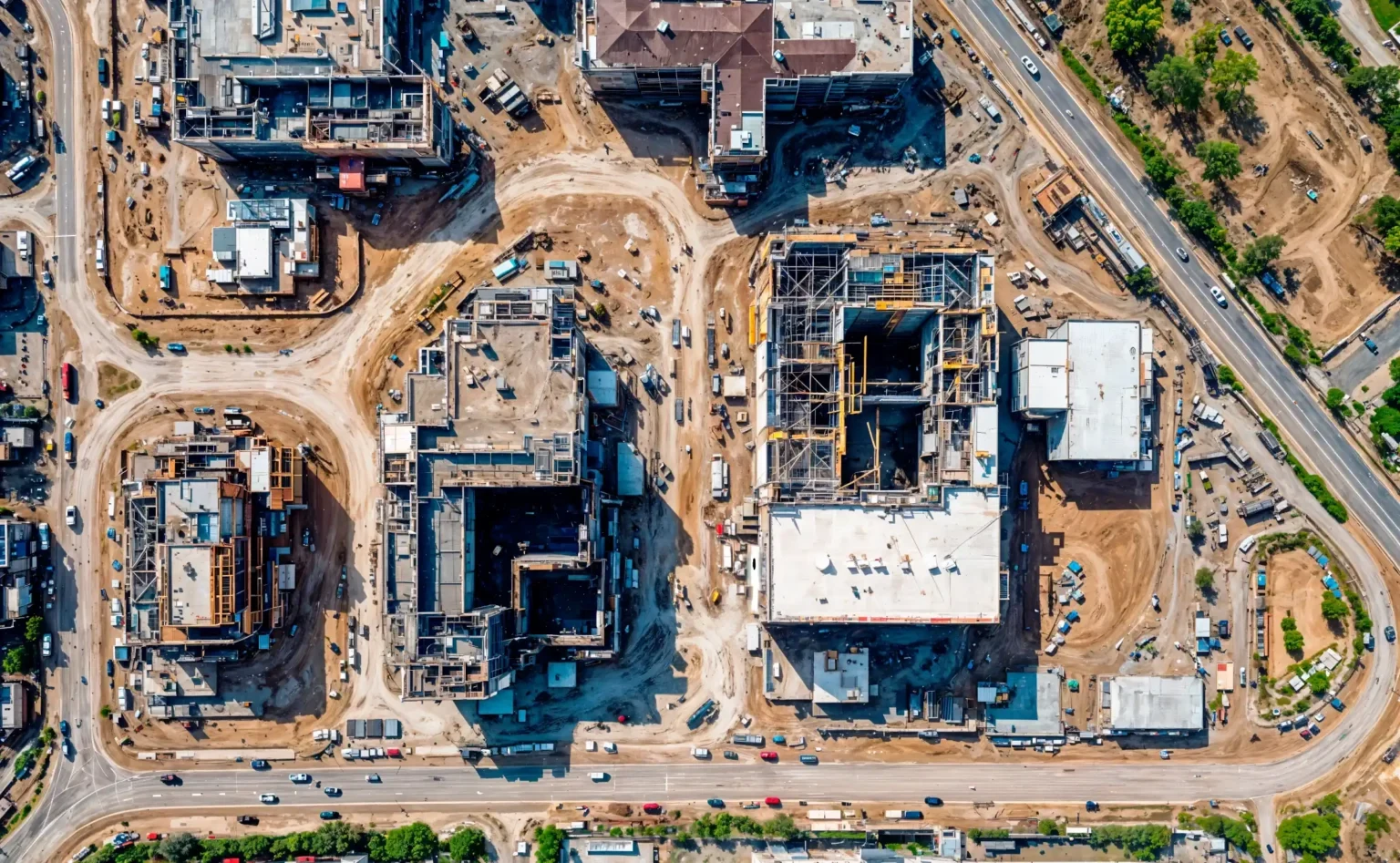
Best practices before you take the money.
Finance the real gap, match repayment to how the business gets paid, and preserve enough room for payroll, suppliers, and the ordinary surprises of field work.
Can financing cover costs before a project starts?
Potentially. The available structure depends on the contract, startup budget, business cash flow, customer, payment schedule, requested amount, and provider criteria.
Can a signed contract support the request?
A signed contract or purchase order provides useful context, but it does not guarantee financing. Providers may also review customer quality, project margin, completion risk, lien position, and the operating business.
How long does a project-startup review take?
Timing depends on the product and file. Short-term working capital may use a faster review, while contract, purchase-order, SBA, equipment, or property financing generally requires more verification and documents.
Availability, approval, amount, pricing, collateral, terms, documentation, and timing depend on the provider and the complete file. Axon Business Group is a financing brokerage, not a direct lender.
Bring the job, the numbers, and the timing.
Start with a quick fit check. If the file makes sense, the details are easier to explain over a short call.