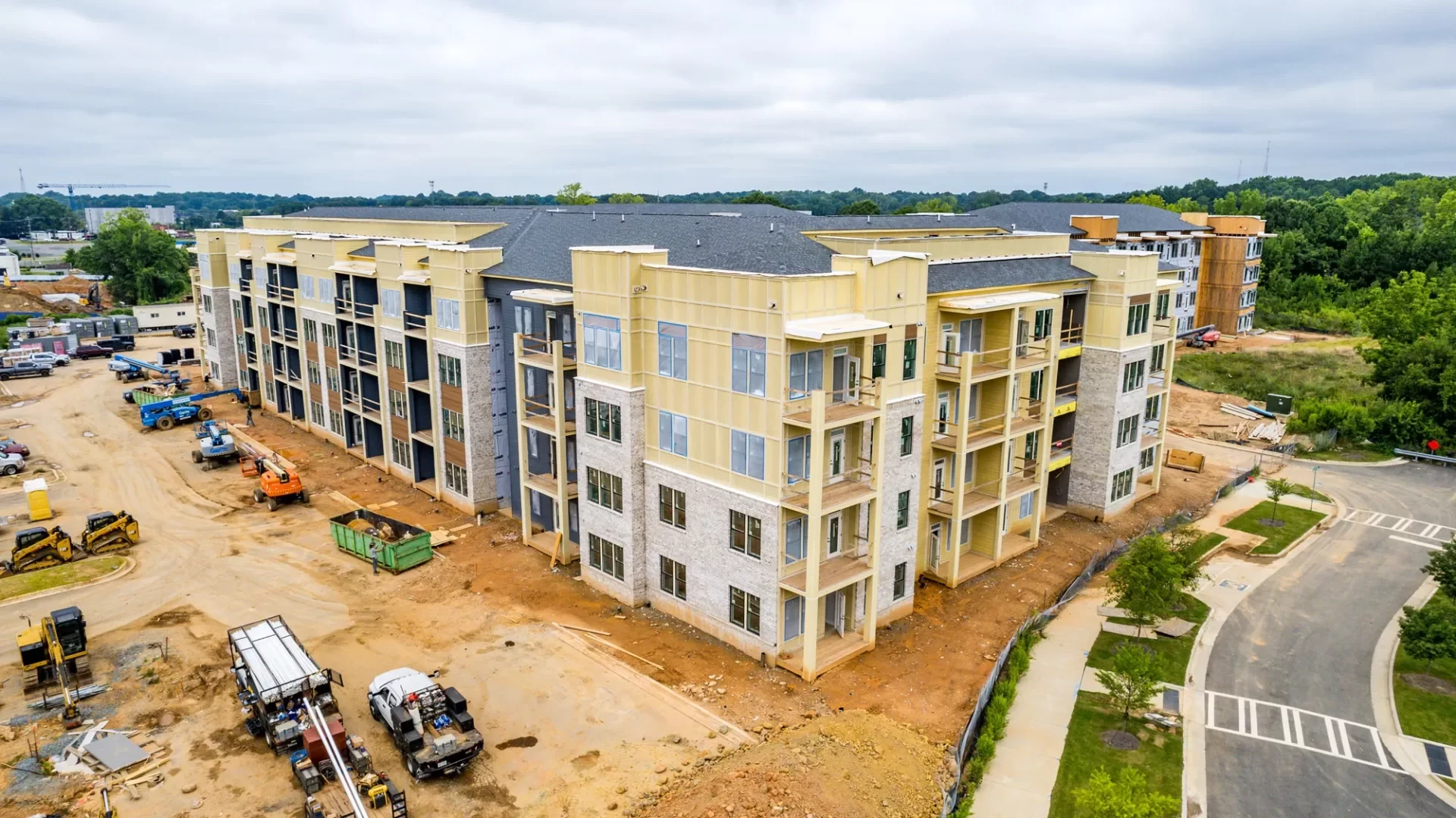
Multifamily project capital
Multifamily development loans from site to stabilization.
Review acquisition, construction, completion, and stabilization financing for qualified multifamily projects with a complete capital stack and credible takeout.
Specific situations
Connect every dollar to the development plan.
Multifamily development requires more than a large loan request. A strong file connects the market, site control, plans, units, costs, sponsor equity, draw schedule, lease-up assumptions, reserves, and permanent-financing exit.
Acquire or refinance the site
Support a qualified basis when control, zoning, entitlement status, environmental work, and the development plan are documented.
Fund horizontal and vertical construction
Match draws to infrastructure, buildings, common areas, soft costs, and verified progress.
Complete and lease a project
Cover an approved cost-to-complete and stabilization period when remaining capital, schedule, concessions, and reserves are clear.
Bridge to permanent financing
Build toward a refinance supported by realistic occupancy, rents, expenses, and debt-service coverage.
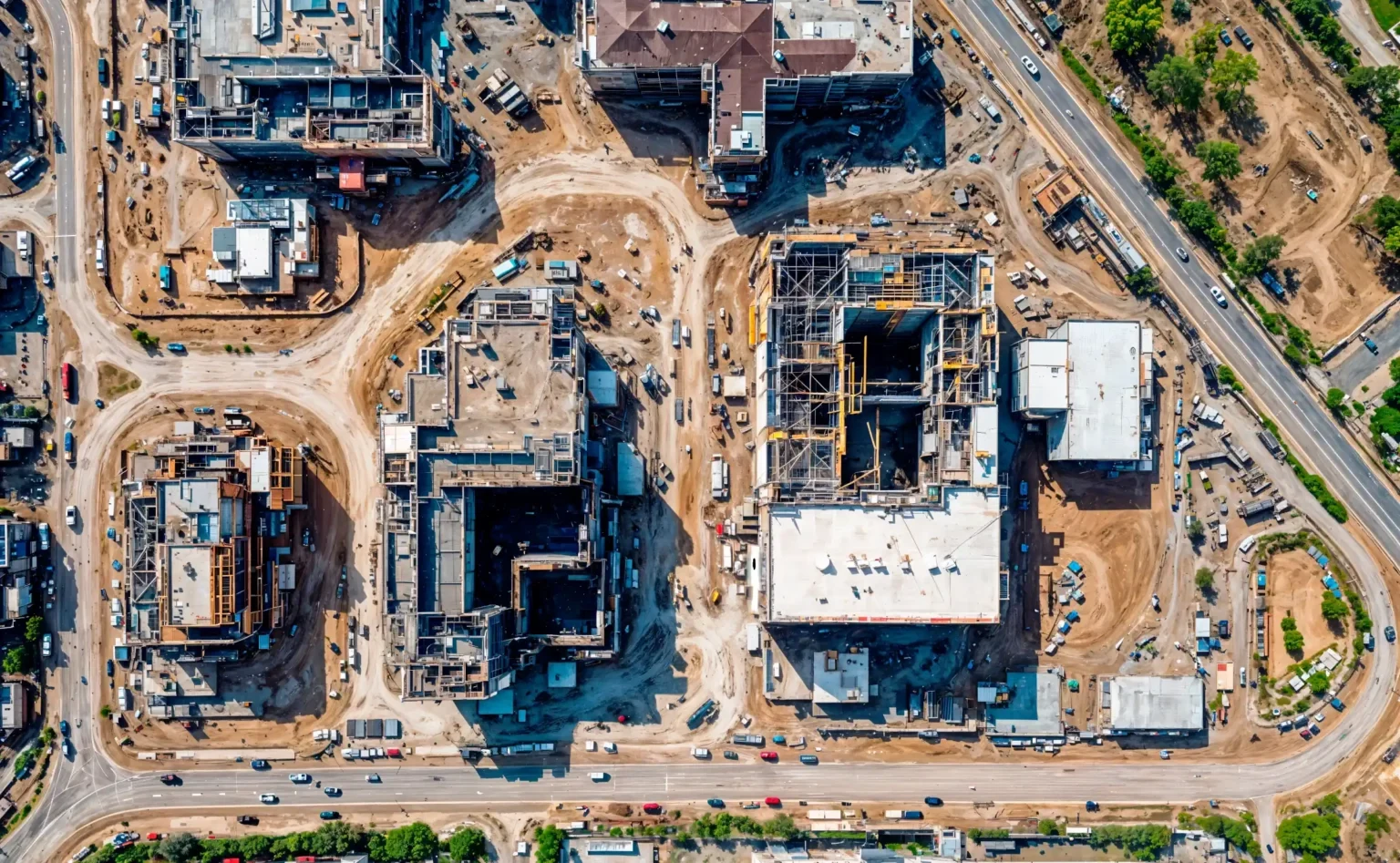 Construction, lease-up, and takeout must tell one story.
Who this helps—and when it may not.
The strongest financing choice is not always the fastest or the largest. It is the one whose structure fits the use, timeline, and cash cycle.
Often a strong fit
- Experienced sponsors with a credible contractor and consultant team
- Documented site control, approvals, plans, budget, equity and contingency
- Conservative rent, absorption, operating expense and takeout assumptions
Usually not the first choice
- Early speculation without control, approvals, or patient equity
- Thin sponsor liquidity or a capital stack with unexplained gaps
- A plan dependent on perfect lease-up, maximum rents, or immediate refinancing
Use bridge capital only for a short, defined transition. A stabilized acquisition may fit long-term rental debt, while early entitlement work may require equity rather than leverage.
What underwriting sees
A strong file tells a clean story.
The project must work as a complete system. Providers review sponsor experience, market demand, rents, costs, contingencies, recourse, completion support, and the path from construction to stabilized operations.

Best practices before you sign.
Bring the use, timing, and cash-flow math into the same decision. These are the questions that keep a useful product from becoming the next pressure point.
Solve the capital stack early
Identify senior debt, equity, subordinate capital, reserves, and completion support before closing.
Stress-test lease-up
Model slower absorption, concessions, lower rents, and higher operating costs.
Control cost-to-complete
Reconcile draws, change orders, retainage, contingency, and remaining commitments every month.
Protect the takeout
Track permanent-loan coverage and valuation throughout construction—not only at stabilization.
Availability, approval, amount, pricing, collateral, terms, documentation, and timing depend on the provider and the complete file. Axon Business Group is a financing brokerage, not a direct lender.
Get the structure, not just the headline number.
Review payment frequency, term, total repayment, fees, payoff language, and cash-flow impact before moving forward.