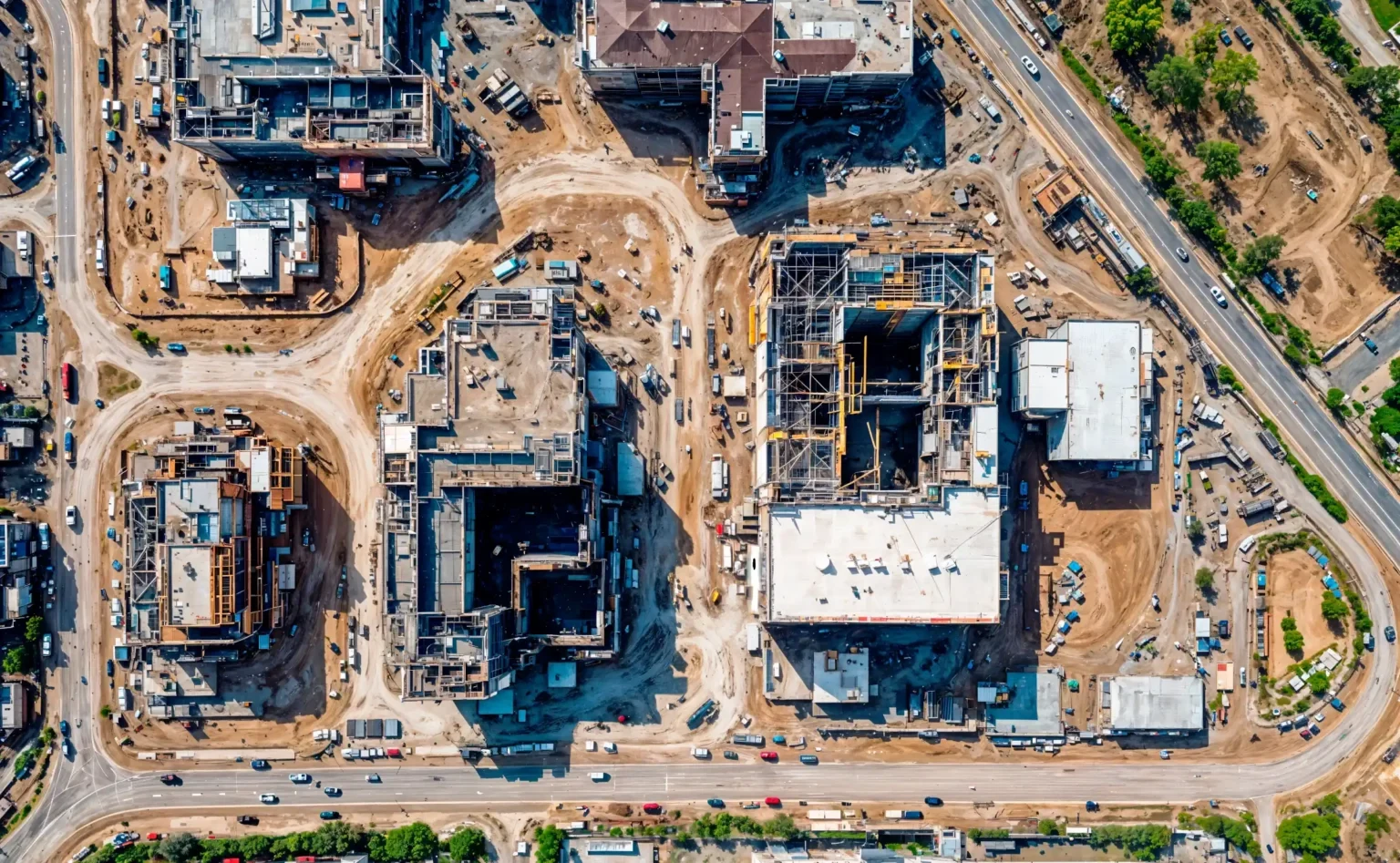
Ground-up construction financing
New construction loans built around the draw schedule.
Finance qualified vertical construction with a structure tied to land basis, plans, budget, permits, inspections, draws, contingency, and the finished-project exit.
Specific situations
Fund each stage without losing the schedule.
Ground-up construction is not a generic working-capital need. The lender evaluates the site, sponsor, capital stack, budget, schedule, contractor team, draw mechanics, and a realistic sale or permanent-loan exit.
Acquire and close a qualified site
Combine an eligible land or acquisition basis with a documented plan for construction and takeout.
Fund vertical construction by draw
Release capital against inspected progress and approved costs rather than as one unrestricted lump sum.
Complete a partially built project
Refinance or finish a stalled project when title, liens, cost-to-complete, permits, and remaining timeline are clear.
Bridge into sale or permanent debt
Structure the construction phase around a credible sellout, refinance, or stabilization plan.
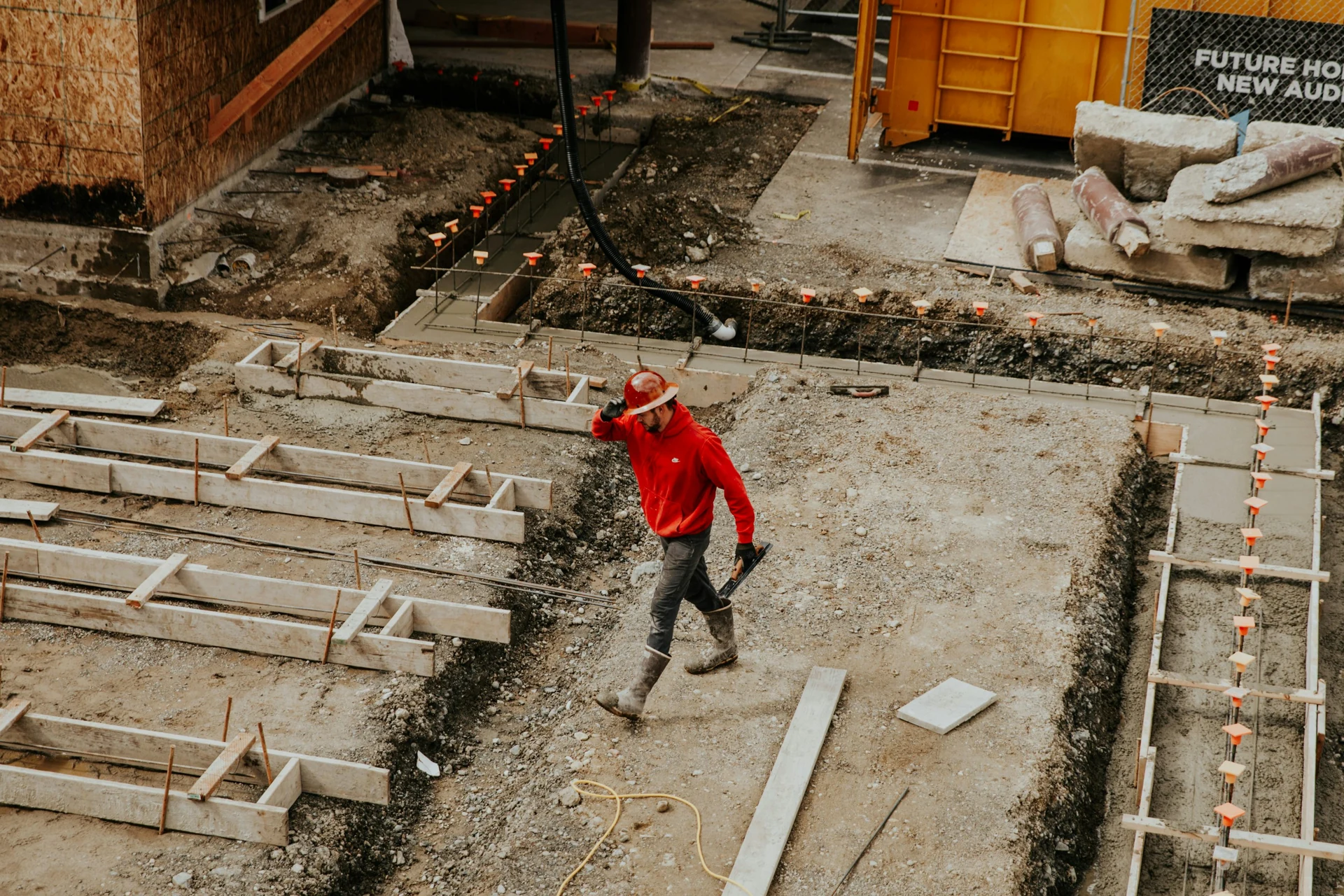 The draw schedule should follow verified progress.
Who this helps—and when it may not.
The strongest financing choice is not always the fastest or the largest. It is the one whose structure fits the use, timeline, and cash cycle.
Often a strong fit
- Experienced sponsors with permitted or permit-ready plans
- A complete budget with contractor bids and realistic contingency
- Documented equity, liquidity, draw plan and viable exit
Usually not the first choice
- Land speculation or unresolved entitlement risk
- A budget with no contingency or credible cost controls
- A project that only works at the highest projected value or fastest schedule
A bridge loan may cover a short transition before construction debt closes. Fix-and-flip financing fits renovation rather than ground-up work. Equity or patient capital may be necessary for early entitlement risk.
What underwriting sees
A strong file tells a clean story.
Construction lenders need the full project story: basis, entitlements, plans, sources and uses, sponsor liquidity, builder experience, draw controls, and a conservative exit.

Best practices before you sign.
Bring the use, timing, and cash-flow math into the same decision. These are the questions that keep a useful product from becoming the next pressure point.
Lock the budget before the loan
Tie bids, allowances, soft costs, interest carry, and contingency to the draw schedule.
Protect inspection timing
Plan for the gap between completed work, inspection, approval, and reimbursement.
Keep change orders visible
Track every scope change against contingency and cost-to-complete.
Underwrite the exit conservatively
Test slower lease-up, lower sale proceeds, and higher takeout rates before committing.
Availability, approval, amount, pricing, collateral, terms, documentation, and timing depend on the provider and the complete file. Axon Business Group is a financing brokerage, not a direct lender.
Get the structure, not just the headline number.
Review payment frequency, term, total repayment, fees, payoff language, and cash-flow impact before moving forward.