Equipment financing
Put revenue-producing equipment to work.
Finance trucks, machinery, tools, and other productive assets without tying up every dollar of operating cash at once.
Specific situations
Finance the asset. Protect the cash cycle.
Equipment financing is built around a defined asset. The equipment may support the structure, while age, condition, value, vendor information, down payment and the strength of the business affect the final terms.
Add a truck or fleet capacity
Put service vehicles, dump trucks, vans or trailers into operation while preserving cash for payroll and fuel.
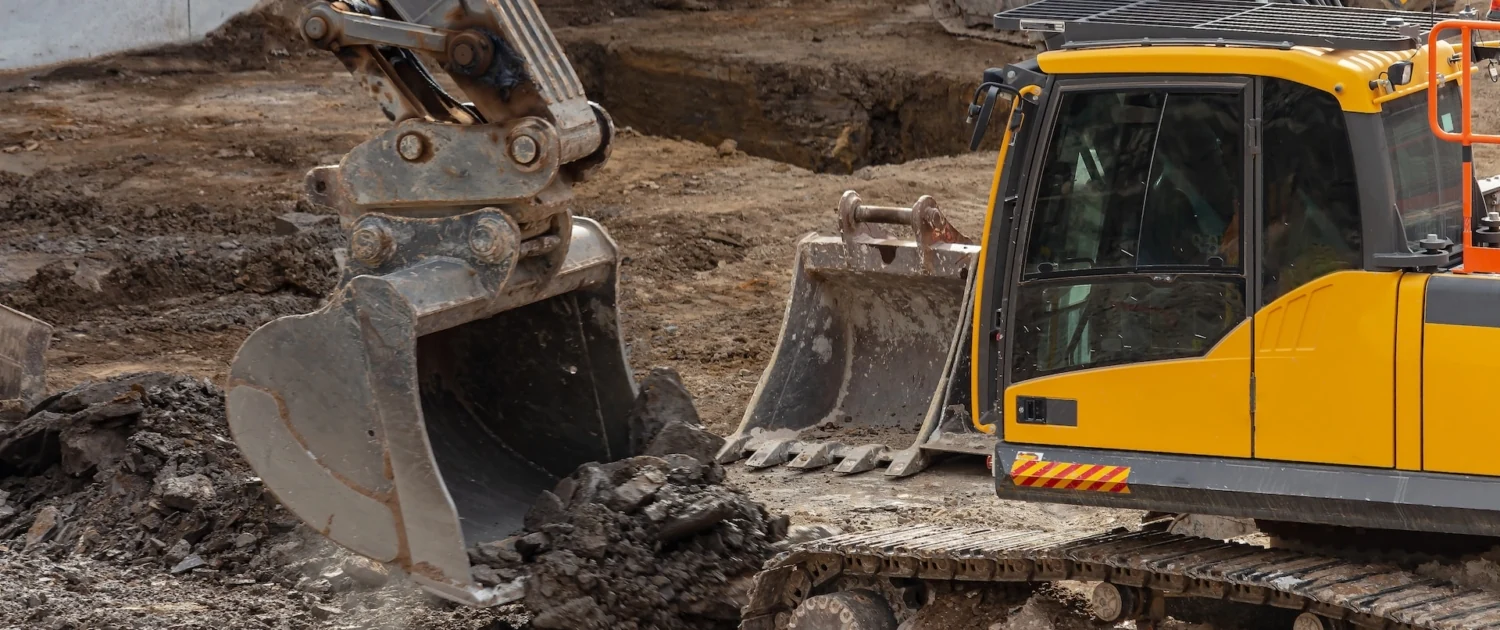
Buy heavy machinery
Finance excavators, skid steers, lifts or other productive equipment tied to the work and backlog.
Replace an unreliable asset
Reduce downtime when repairs are disrupting schedules and revenue.
Expand shop or production capacity
Add tools, fabrication equipment or specialized systems that improve throughput or open a new service line.
 The asset should create capacity—not drain it.
Who this helps—and when it may not.
The strongest financing choice is not always the fastest or the largest. It is the one whose structure fits the use, timeline, and cash cycle.
Often a strong fit
- A specific asset with a verifiable price and productive use
- Equipment expected to generate or protect revenue over time
- A business that wants to preserve operating cash for the work around the asset
Usually not the first choice
- Payroll, materials or marketing with no equipment component
- An asset whose useful life is shorter than the proposed term
- A speculative purchase with no clear operating plan
Use a line of credit for recurring operating costs around the equipment. A term loan may be better when one project includes several non-equipment expenses such as build-out, hiring and launch costs.
What underwriting sees
A strong file tells a clean story.
The equipment itself matters, but so does the business using it. Providers may review vendor quotes, asset details, revenue, credit, time in business, and current obligations.
Best practices before you sign.
Bring the use, timing, and cash-flow math into the same decision. These are the questions that keep a useful product from becoming the next pressure point.
Finance the all-in cost
Include delivery, installation, training, taxes and the cash needed to put the asset to work.
Match term to useful life
Avoid paying for equipment after it is likely to be replaced or obsolete.
Measure real capacity
Tie the purchase to backlog, utilization, labor and the revenue the asset can actually support.
Review security terms
Understand liens, insurance requirements, guarantees and what happens after early payoff.
Availability, approval, amount, pricing, collateral, terms, documentation, and timing depend on the provider and the complete file. Axon Business Group is a financing brokerage, not a direct lender.
Get the structure, not just the headline number.
Review payment frequency, term, total repayment, fees, payoff language, and cash-flow impact before moving forward.