
Funding built around the trade
Business funding for plumbing companies.
Cover fixtures, materials, payroll, vehicles, and commercial job starts while customer payments work through the cycle.
Where capital can help
Keep crews supplied and the schedule moving.
Plumbing contractors commit to equipment, fixtures, pipe, labor, and travel before progress payments arrive. Service growth also requires stocked vehicles, trained technicians, and enough operating room to respond quickly.
Order fixtures and materials
Secure job-specific pipe, valves, fixtures, pumps, and fittings before the first progress payment clears.
Expand the service fleet
Add stocked vans, cameras, jetters, excavation equipment, and tools without emptying operating cash.
Carry payroll across jobs
Support technicians, apprentices, and subcontractors while larger invoices move through approval.
Launch a proven service area
Fund dispatch, hiring, vehicles, and local marketing when the existing branch economics are documented.
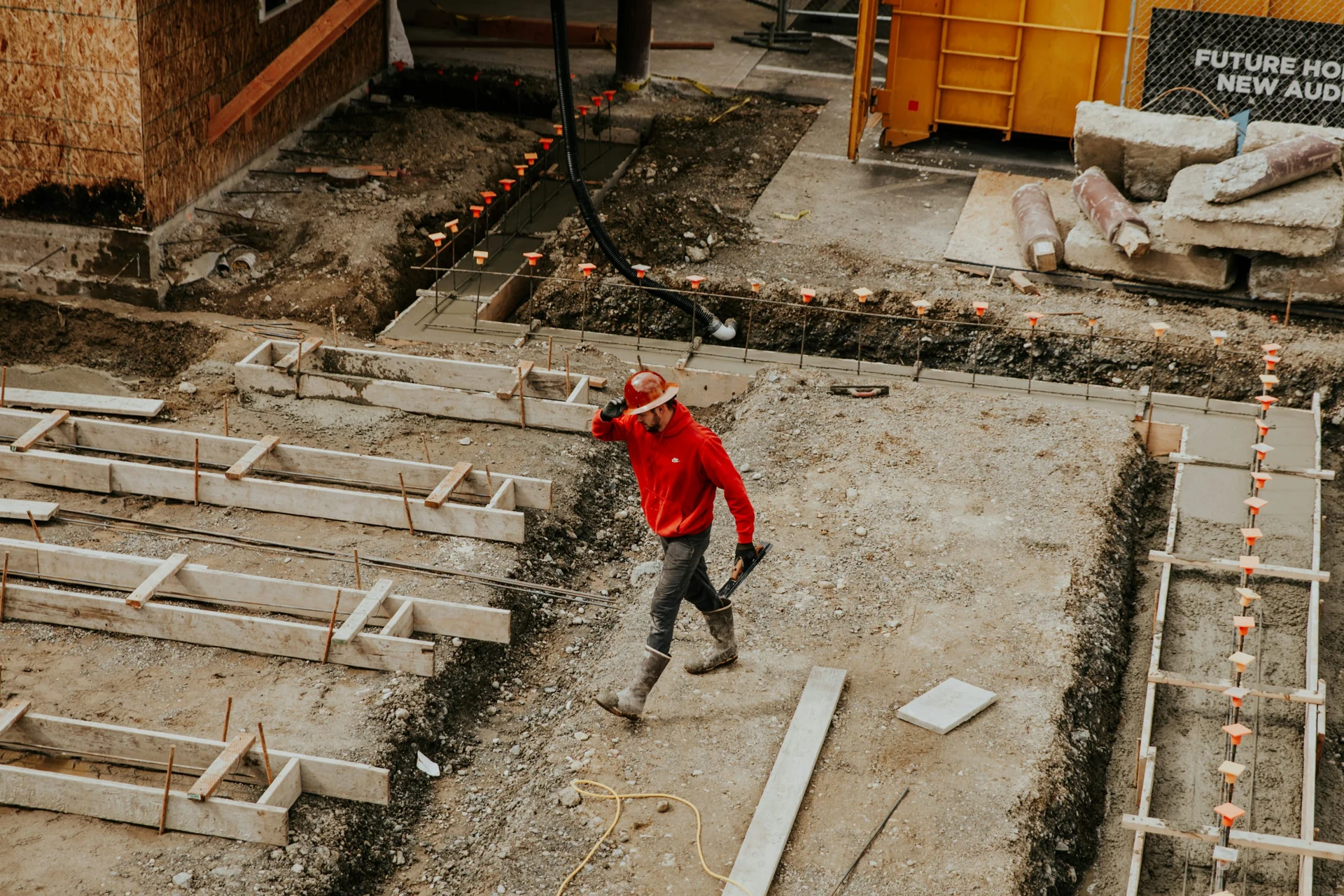 The right funding keeps service responsive and projects on schedule.
Who this helps—and when funding is not the fix.
The strongest request connects the cost, the job or operating need, and the source of repayment. Capital should bridge a timing gap or add productive capacity, not cover a broken margin.
Often a strong fit
- Established service or commercial revenue with consistent deposits
- A specific vehicle, tool, material order, or signed project creating the need
- Operators who understand technician utilization, average ticket, and collection timing
Usually not the first move
- A broad expansion with no trained labor or dispatch capacity
- Financing low-margin work that does not cover capital and ordinary callbacks
- Daily-payment capital used for long commercial receivables without a reserve
Use equipment financing for vans, cameras, jetters, and excavation assets. Supplier terms or customer deposits may solve material needs, while a line of credit can better fit recurring service and receivables gaps.
What strengthens the file
Bring the numbers behind the work.
Plumbing files improve when service revenue, construction contracts, and emergency work are clearly separated. Show crew count, fleet utilization, receivables, backlog, supplier exposure, and the exact assets or jobs being funded.

Best practices before you take the money.
Finance the real gap, match repayment to how the business gets paid, and preserve enough room for payroll, suppliers, and the ordinary surprises of field work.
Fund the revenue bottleneck
Identify whether the constraint is labor, fleet, materials, dispatch, or collection before borrowing.
Budget callbacks and warranty
Keep room for the non-billable work that still consumes technician hours.
Match product to need
Use asset financing for equipment and reusable access for recurring operating gaps.
Model commercial delays
Stress-test retainage, approval, and payment timing before taking short-term capital.
Availability, approval, amount, pricing, collateral, terms, documentation, and timing depend on the provider and the complete file. Axon Business Group is a financing brokerage, not a direct lender.
Bring the job, the numbers, and the timing.
Start with a quick fit check. If the file makes sense, the details are easier to explain over a short call.