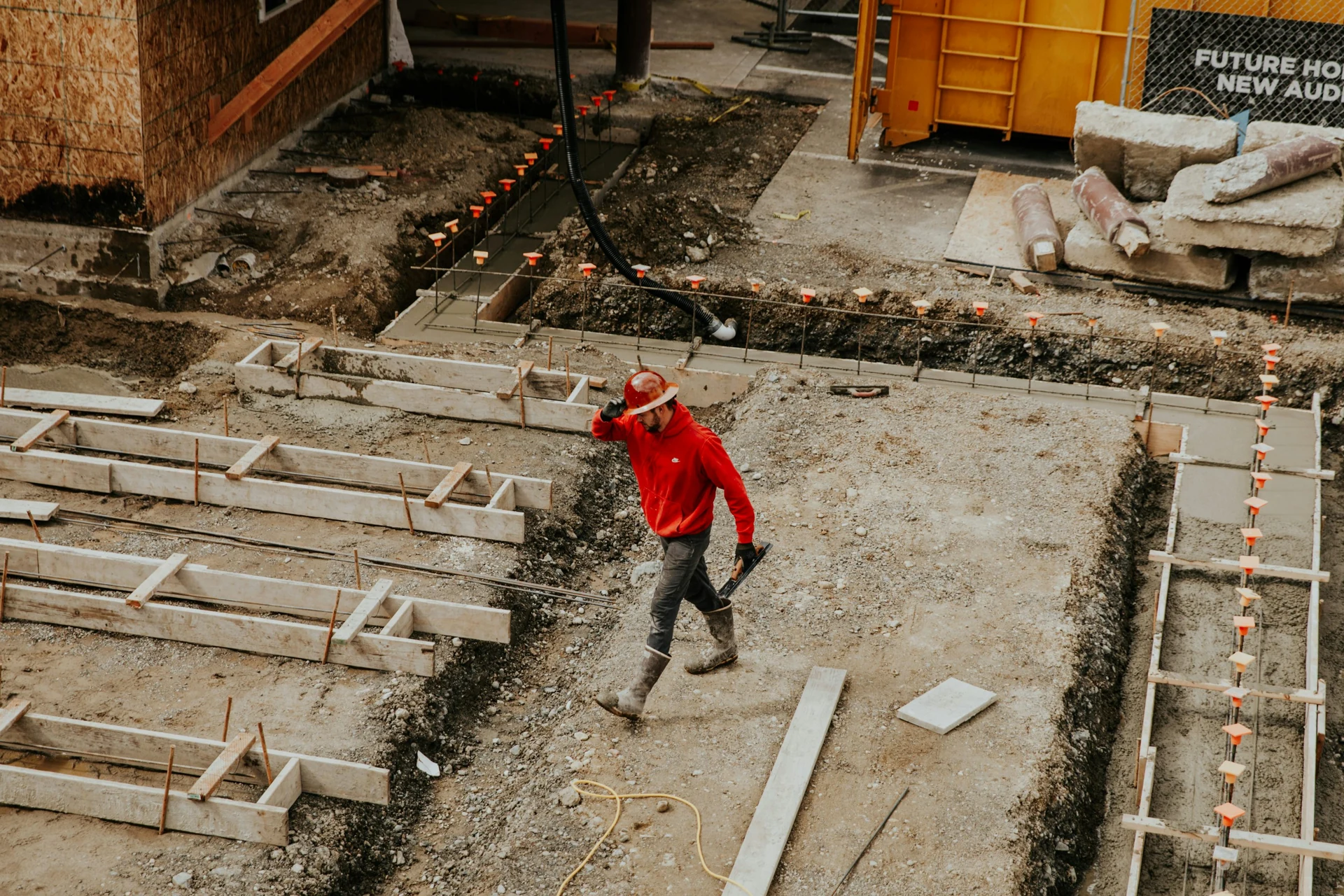
Funding built around the trade
Business funding for specialty trades.
Support labor, tools, vehicles, materials, and mobilization when the work starts before customer payment arrives.
Where capital can help
Build around the way the trade gets paid.
Blue-collar businesses across demolition, excavation, concrete, landscaping, flooring, painting, restoration, welding, and other trades share the same timing problem: crews and materials move before invoices, draws, and customer payments clear.
Mobilize an awarded job
Cover labor, travel, permits, deposits, fuel, and site setup before the opening payment arrives.
Add tools, trucks, or machinery
Finance productive assets when ownership creates more capacity, control, or margin.
Bridge materials and receivables
Keep active work moving while approved invoices or customer payments make their way to the account.
Scale proven demand
Add a crew, route, territory, or service line when the existing unit economics and management capacity are clear.
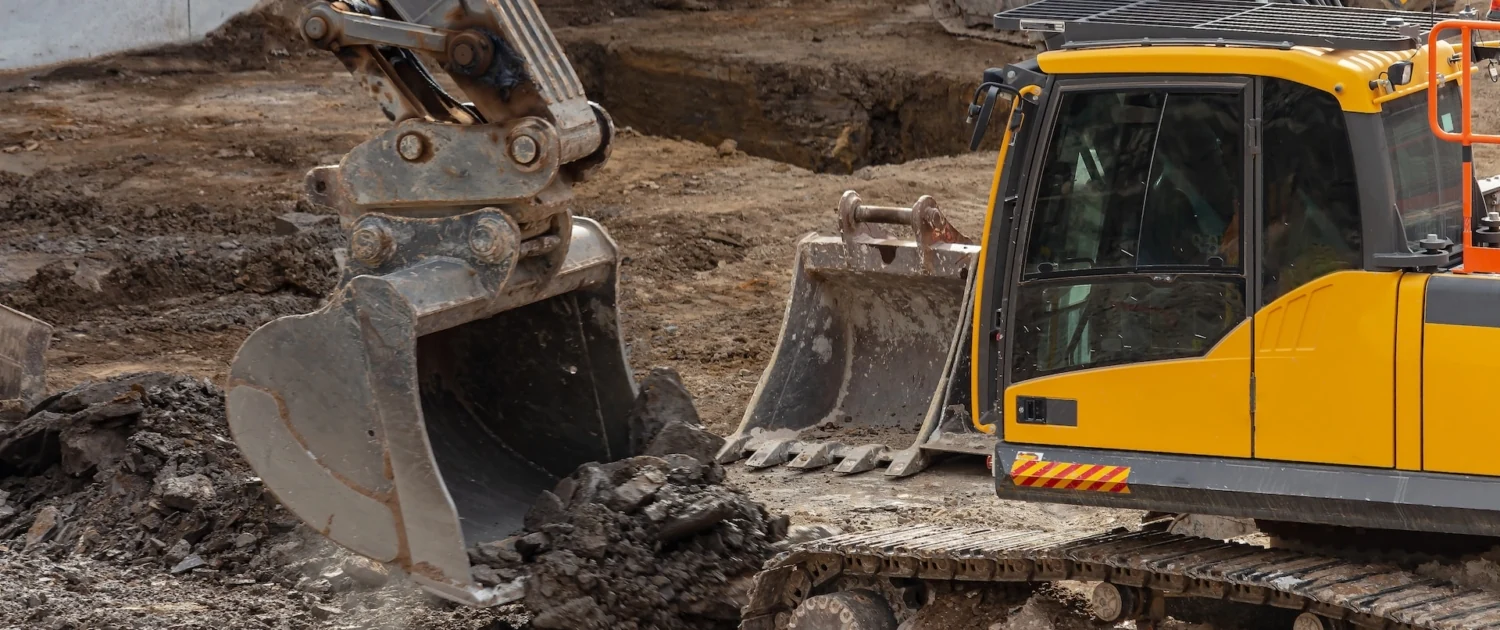 Field work moves first. Capital should respect the cycle.
Who this helps—and when funding is not the fix.
The strongest request connects the cost, the job or operating need, and the source of repayment. Capital should bridge a timing gap or add productive capacity, not cover a broken margin.
Often a strong fit
- Established trade businesses with consistent deposits and real work in hand
- A specific use tied to production, collection timing, or productive equipment
- Operators who know the job margin and how repayment fits ordinary months
Usually not the first move
- Borrowing to cover chronic underpricing, callbacks, or unresolved operating losses
- Speculative expansion without trained labor, demand, or management capacity
- High-frequency payments that arrive faster than the trade collects
Customer deposits, progress billing, supplier terms, and equipment financing may solve a narrow need without broad working-capital debt. Longer-lived expansion may call for a term structure and a more complete financial package.
What strengthens the file
Bring the numbers behind the work.
A strong specialty-trade file makes the work easy to follow. Bring recent statements, contracts or work orders, receivables, backlog, equipment quotes, current obligations, and a precise use-of-funds budget.

Best practices before you take the money.
Finance the real gap, match repayment to how the business gets paid, and preserve enough room for payroll, suppliers, and the ordinary surprises of field work.
Name the actual bottleneck
Know whether labor, equipment, material, dispatch, or collection is constraining revenue.
Match payment to the trade
Use a cadence that survives normal weather, seasonality, and payment delays.
Measure added capacity
Tie every new truck, crew, or machine to utilization and gross profit.
Keep room for field reality
Protect cash for fuel, repairs, rework, insurance, and the next payroll.
Availability, approval, amount, pricing, collateral, terms, documentation, and timing depend on the provider and the complete file. Axon Business Group is a financing brokerage, not a direct lender.
Bring the job, the numbers, and the timing.
Start with a quick fit check. If the file makes sense, the details are easier to explain over a short call.