
Funding built around the trade
Business funding for fix-and-flip operators.
Line up acquisition, renovation, carrying costs, and project completion around a disciplined budget and exit plan.
Where capital can help
Fund the project from acquisition to exit.
Fix-and-flip projects move on deadlines. The strongest file connects purchase basis, written scope, rehab budget, contingency, holding costs, experience, and sale or refinance strategy before closing.
Close on a qualified acquisition
Move when purchase basis, title, entity documents, liquidity, and the closing timeline are ready.
Fund a documented renovation
Match draws to a written scope, contractor plan, permits, budget, and completion schedule.
Finish a stalled project
Bring a partially completed property to sale or refinance when remaining costs and capital stack are fully known.
Bridge to the exit
Cover a defined period to sale or permanent financing without treating short-term project money like permanent debt.
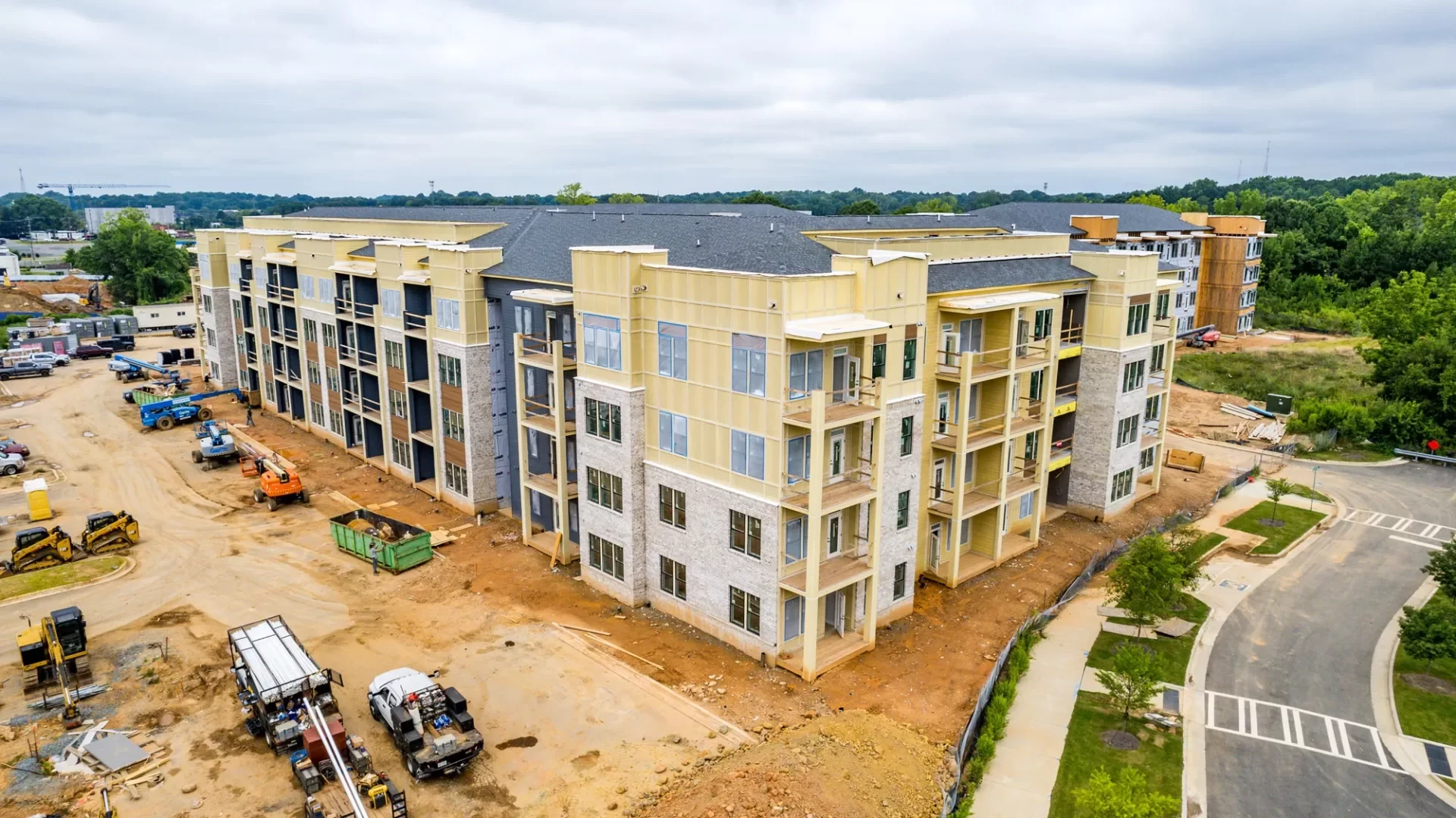 A disciplined exit is the beginning of a strong deal.
Who this helps—and when funding is not the fix.
The strongest request connects the cost, the job or operating need, and the source of repayment. Capital should bridge a timing gap or add productive capacity, not cover a broken margin.
Often a strong fit
- A defined property with conservative basis and realistic after-repair value
- Experienced operators or a credible team with written scope and bids
- Enough liquidity for equity, carry, overruns, and the lender-required reserve
Usually not the first move
- A deal dependent on the highest comparable or a flawless construction schedule
- No contingency, no verified contractor plan, or unresolved permit and title issues
- Using business cash-flow debt for a property project with no credible exit
A long-term rental hold may need permanent real-estate financing after stabilization. Ground-up construction requires a specialized product. If the gap is only tools, payroll, or a vehicle, business working capital or equipment financing may be cleaner.
What strengthens the file
Bring the numbers behind the work.
The file should make the project legible in minutes: purchase contract, property details, scope, bids, draw schedule, experience, liquidity, insurance, title, timeline, and the sale or refinance exit.

Best practices before you take the money.
Finance the real gap, match repayment to how the business gets paid, and preserve enough room for payroll, suppliers, and the ordinary surprises of field work.
Build backward from exit
Set the acquisition and rehab budget from a conservative sale or refinance—not hope.
Budget the full hold
Include taxes, utilities, insurance, interest, selling costs, and delays.
Control draws and changes
Keep written approvals, receipts, lien waivers, and a live cost-to-complete.
Protect the contingency
Do not spend the reserve on upgrades before the structure and systems are complete.
Availability, approval, amount, pricing, collateral, terms, documentation, and timing depend on the provider and the complete file. Axon Business Group is a financing brokerage, not a direct lender.
Bring the job, the numbers, and the timing.
Start with a quick fit check. If the file makes sense, the details are easier to explain over a short call.