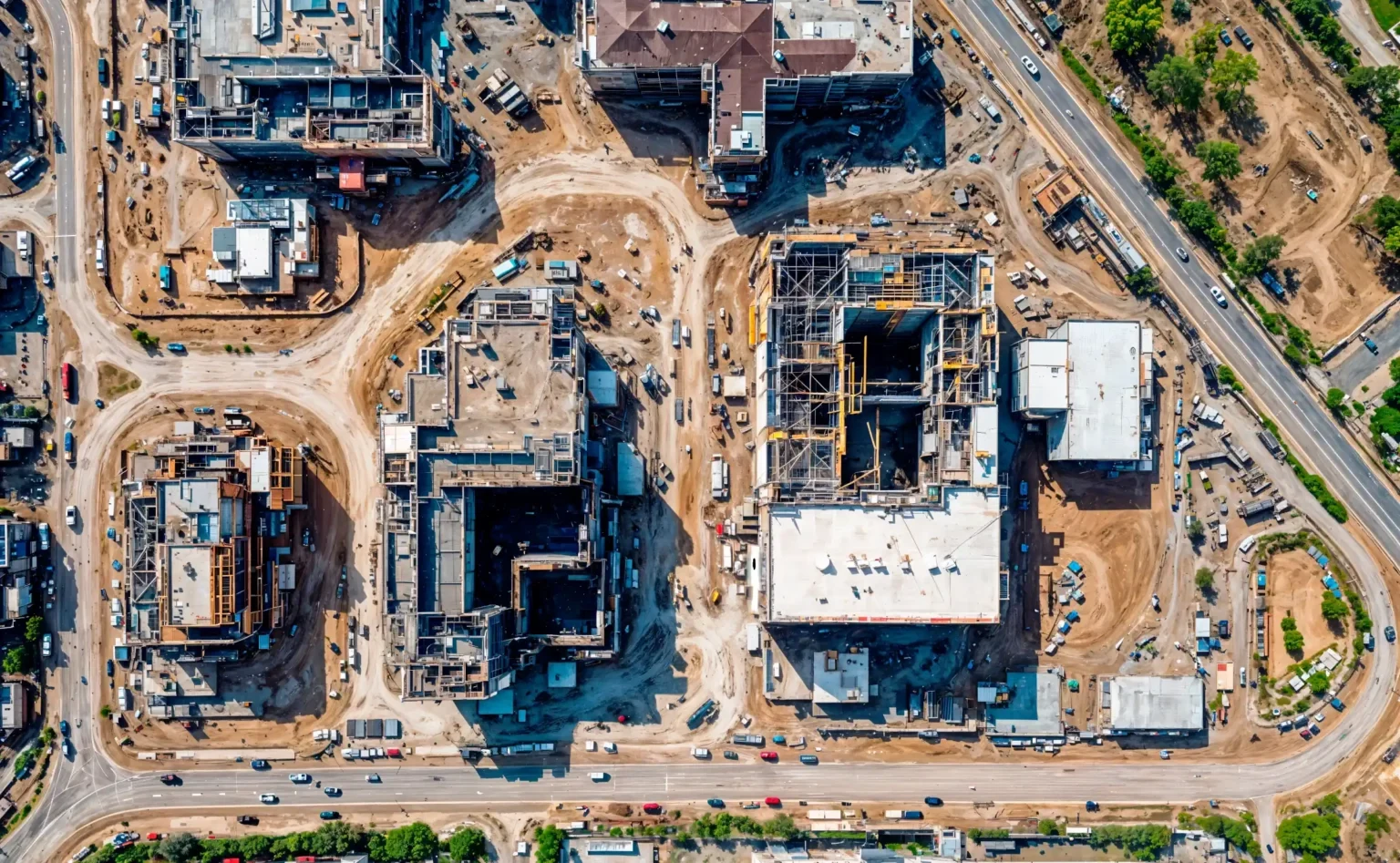
Funding built around the trade
Business funding for construction companies.
Cover job startup, materials, crews, equipment, and project overlap while draws and receivables catch up.
Where capital can help
Keep active projects moving between draws.
Construction companies can be profitable on paper while cash is tied up across mobilization, work in progress, approved draws, change orders, and retainage. The structure should reflect the schedule and payment cycle of the work.
Start the site
Fund permits, bonds, site work, trailers, safety costs, deposits, and initial labor before the first draw.
Order materials on schedule
Secure steel, concrete, lumber, finishes, or specialty materials when supplier deadlines arrive before project cash.
Carry overlapping projects
Protect payroll and critical vendors while one job ramps and another waits on approval or retainage.
Put equipment into service
Finance machinery or vehicles when ownership improves utilization, schedule control, or margin.
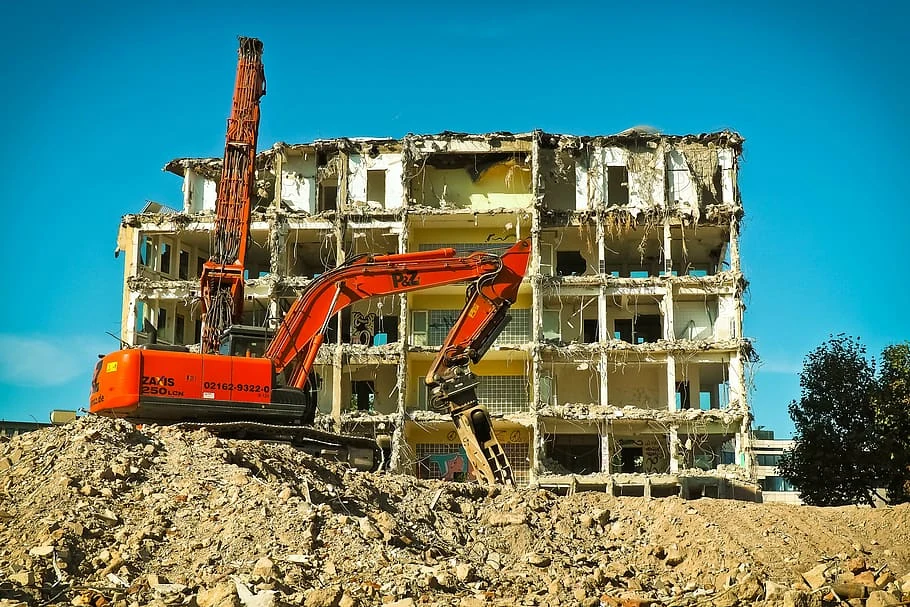 Keep the critical path funded—not the overhead bloated.
Who this helps—and when funding is not the fix.
The strongest request connects the cost, the job or operating need, and the source of repayment. Capital should bridge a timing gap or add productive capacity, not cover a broken margin.
Often a strong fit
- Consistent operating revenue with a documented project pipeline
- Defined costs tied to signed work, approved receivables, or productive equipment
- Management that tracks WIP, billing status, margin, and cash by project
Usually not the first move
- A project with unresolved entitlement, ownership, or payment-source risk
- Borrowing to hide repeated job losses or chronic underbidding
- Short-term payments funding costs that will not return for many months or years
Use project-specific construction debt or equity for ground-up development. Supplier terms, deposits, progress billing, or equipment financing may solve a narrower need more cleanly than general working capital.
What strengthens the file
Bring the numbers behind the work.
Construction underwriting gets stronger when the business can show how awarded work turns into cash. Prepare WIP reports, backlog, schedules of values, receivables aging, job-cost detail, current obligations, and recent statements.

Best practices before you take the money.
Finance the real gap, match repayment to how the business gets paid, and preserve enough room for payroll, suppliers, and the ordinary surprises of field work.
Fund the critical path
Direct capital to the item that keeps the schedule moving and protects the job margin.
Stress-test the draw
Model late approvals, retainage, weather, and ordinary project delays before accepting terms.
Separate asset and operating needs
Use equipment financing for machines when it preserves more working capital.
Avoid stacking
If daily withdrawals already pressure the account, review payoff routes before adding another position.
Availability, approval, amount, pricing, collateral, terms, documentation, and timing depend on the provider and the complete file. Axon Business Group is a financing brokerage, not a direct lender.
Bring the job, the numbers, and the timing.
Start with a quick fit check. If the file makes sense, the details are easier to explain over a short call.